Computer-Aided Design and 3D Modeling in ARE 217 Assignments for Building Representation

ARE 217 at The University of Texas at Austin focuses on computer-aided design and graphical representation methods used in architectural engineering documentation. The course develops technical drafting and three-dimensional modeling skills that students later apply in architectural engineering design studios and construction-related subjects. ARE 217 assignments require students to create floor plans, sections, elevations, and digital building models while maintaining professional standards in drawing organization, annotation, and spatial coordination. Because the coursework involves detailed drafting procedures and coordinated digital representation, many students look for academic resources that can help them solve their architecture assignment while understanding architectural engineering drawing standards correctly. The coursework is heavily connected to building representation, meaning students must communicate architectural information through accurate graphical systems rather than simple visual sketches.
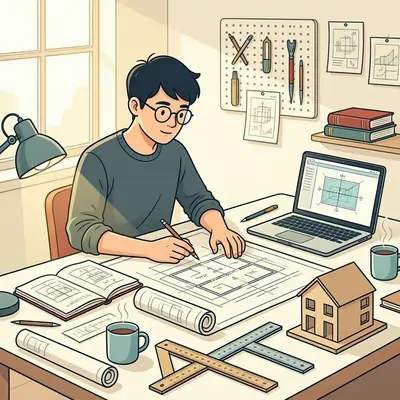
The assignments in ARE 217 are structured around the relationship between technical drawings and digital building models. Students learn how construction geometry, structural layouts, architectural space planning, and presentation graphics interact within CAD environments. Because the course introduces digital representation procedures used in professional architectural engineering practice, assignments are often revision-based and require careful coordination between multiple drawing views and model outputs. Students working on CAD drafting exercises, digital modeling tasks, and drawing coordination activities often search for autocad assignment help to improve their understanding of architectural documentation workflows, layer organization, and technical drawing accuracy used throughout the course.
CAD Drafting Procedures Applied in ARE 217 Coursework
ARE 217 assignments place strong emphasis on computer-aided drafting procedures that help students represent buildings accurately in digital environments. Students work with technical drawing standards, architectural layouts, and organized drafting systems that support engineering communication. The coursework develops precision in creating plans and graphical representations that reflect actual construction relationships.
Development of Architectural Floor Plans in Digital Drawing Environments
A major portion of ARE 217 assignments focuses on preparing architectural floor plans using CAD software. Students learn how to organize walls, circulation areas, room layouts, structural grids, and openings within properly scaled digital drawings. These assignments are designed to strengthen drafting accuracy while teaching students how architectural engineering drawings communicate building organization.
Floor plan assignments often begin with geometric layout exercises where students establish wall alignments, structural spacing, and room dimensions. As the coursework progresses, students add doors, windows, stair systems, and annotation components to produce complete architectural layouts. The process requires attention to drafting precision because inaccurate geometry can affect later sectional and modeling tasks.
Students also work with dimensioning systems throughout these assignments. Wall thicknesses, room sizes, opening locations, and circulation clearances must be represented correctly within the digital environment. These exercises help students understand how architectural engineering drawings become measurable construction documents rather than visual sketches alone.
Many assignments require modifications after initial drafting stages. Students revise layouts, reorganize building elements, and update dimensions according to changing project requirements. This repeated editing process reflects real drafting workflows used in architectural engineering practice.
Layer Organization and Technical Drawing Structure
Layer management is another essential component of ARE 217 coursework because organized drawings are critical for building representation. Students learn how to separate architectural, structural, and annotation elements into coordinated layer systems that improve drawing readability and project organization.
Assignments involving layer control typically require students to manage line weights, visibility settings, object categories, and plotting configurations. These exercises demonstrate how professional CAD documentation maintains consistency across multiple sheets and project files. Poor layer organization can create confusion during construction documentation, so the course emphasizes systematic digital structure from the beginning.
Students are also introduced to title blocks, sheet templates, and drawing organization methods used in professional drafting environments. These assignments help students understand how individual drawings connect within a complete documentation package. Maintaining consistent sheet formatting becomes especially important when floor plans, elevations, and sections must coordinate accurately.
The course further develops file management skills through assignments involving external references, reusable templates, and standardized drawing procedures. These tasks help students prepare for collaborative architectural engineering workflows where multiple drawing files interact continuously during project development.
Three-Dimensional Building Modeling in ARE 217 Assignments
Three-dimensional representation forms a major part of ARE 217 coursework because students are expected to understand buildings spatially rather than only through flat drawings. Assignments involving digital models help students connect plans, elevations, and sections within coordinated building representations.
Creation of Building Forms Through Digital Modeling
ARE 217 assignments frequently require students to convert two-dimensional drawings into three-dimensional building models. Students create walls, roofs, floor systems, openings, and circulation components within digital modeling environments that simulate actual building geometry.
These assignments help students understand how architectural spaces relate vertically and horizontally throughout a structure. Instead of interpreting isolated floor plans, students begin visualizing complete building forms that include height relationships, structural alignment, and volumetric organization.
Modeling exercises often begin with basic massing studies before progressing into more detailed building assemblies. Students work with extrusion procedures, object editing tools, and geometric modification commands to refine their digital representations. This process strengthens spatial awareness while improving technical modeling accuracy.
The coursework also introduces students to the relationship between drafting and modeling systems. Plans, elevations, and sections are often extracted directly from coordinated building models, demonstrating how multiple drawing views originate from a shared digital environment. This integrated workflow becomes an important part of later architectural engineering coursework.
Visualization Techniques for Building Representation
Visualization assignments in ARE 217 focus on presenting architectural forms clearly through digital perspectives and graphical representations. Students prepare isometric views, rendered images, and perspective layouts that communicate building characteristics within technical presentation formats.
Perspective exercises teach students how camera positions, viewing angles, and spatial composition affect the interpretation of architectural forms. These assignments improve the student’s ability to represent circulation spaces, structural systems, and exterior building massing visually.
Students also work with rendering settings that enhance the readability of building models. Material assignments, shadow studies, and lighting adjustments help clarify the geometry and organization of architectural elements within digital presentations. Unlike artistic illustration courses, ARE 217 visualization tasks remain closely connected to technical building representation.
Presentation assignments frequently combine rendered views with floor plans, sections, and elevations into coordinated sheet layouts. This integration strengthens the relationship between technical documentation and visual communication within architectural engineering workflows.
Technical Drawing Coordination in ARE 217 Projects
ARE 217 assignments emphasize drawing coordination because architectural engineering documentation depends on consistency between multiple graphical views. Students learn how plans, elevations, sections, and models interact within organized project documentation systems.
Coordination Between Plans, Elevations, and Sections
One important objective in ARE 217 coursework involves maintaining consistency across multiple drawing types. Students create plans, elevations, and sectional views that represent the same building accurately from different perspectives. Changes made in one drawing often require updates throughout the entire project documentation set.
Section drawing assignments are particularly important because they help students understand vertical building relationships. Students analyze wall intersections, floor systems, roof assemblies, and circulation connections while preparing sectional representations. These tasks strengthen the connection between graphical drafting and construction understanding.
Elevation assignments further develop the student’s ability to represent façade organization and exterior building proportions. Openings, rooflines, structural alignments, and material transitions must remain consistent with floor plans and sectional views. Maintaining this coordination requires careful drafting procedures and organized project management.
The coursework also teaches students how inconsistencies between drawings can create documentation problems during construction. Because of this, assignments are structured to reinforce checking procedures and systematic revision methods throughout the drafting process.
Annotation Systems and Construction Documentation Standards
ARE 217 assignments place considerable attention on annotation methods used in architectural engineering drawings. Students work with dimensions, text styles, symbols, section markers, and elevation references that improve technical communication within building documentation.
Dimensioning exercises help students communicate measurable construction information accurately. Students must organize dimensions clearly while avoiding conflicts with drawing geometry and annotations. These assignments strengthen drafting discipline and improve overall sheet readability.
Students also learn standardized architectural symbols used throughout construction documentation. Door tags, grid markers, section indicators, and material references become recurring components within ARE 217 projects. The repeated use of these systems helps students build familiarity with professional documentation practices.
Construction documentation assignments often involve plotting drawings at multiple scales while maintaining annotation clarity. Students learn how text sizes, dimensions, and line weights must adapt according to sheet configuration and presentation requirements. These technical standards are essential for producing readable architectural engineering drawings.
Digital Representation Skills Developed Through ARE 217 Assignments
ARE 217 develops a combination of drafting, modeling, visualization, and documentation abilities that support future architectural engineering coursework. The assignments train students to communicate building information effectively through coordinated digital representation systems.
Presentation Sheet Composition for Architectural Engineering Graphics
Many ARE 217 assignments require students to prepare organized presentation sheets containing multiple drawing views and graphical elements. These assignments focus on layout composition, drawing alignment, viewport arrangement, and visual hierarchy within technical documentation.
Students learn how presentation structure affects the readability of architectural engineering graphics. Poor organization can reduce drawing clarity even when the drafting itself is technically correct. Because of this, assignments evaluate sheet composition alongside drafting accuracy.
Presentation tasks often include combining plans, sections, elevations, and rendered perspectives into coordinated boards that communicate both technical and spatial information. Students must balance graphical presentation quality with engineering precision throughout these layouts.
The coursework also introduces plotting procedures and printing standards used in professional drafting environments. Students configure page setups, manage viewport scales, and organize sheet numbering systems to maintain documentation consistency across projects.
Revision Workflows and Digital File Coordination
ARE 217 assignments frequently involve revisions that simulate evolving building documentation processes. Students update plans, modify models, reorganize annotations, and coordinate multiple drawing files after receiving project changes or instructor feedback.
These revision exercises help students understand how architectural engineering drawings develop throughout design stages. Instead of treating drawings as static graphics, the coursework emphasizes continuous coordination and modification within digital workflows.
Students also develop organizational strategies for managing project files efficiently. Assignments involving external references, reusable blocks, and template systems improve productivity while reducing drafting inconsistencies. These workflows become increasingly important as projects grow more detailed.
The digital coordination procedures introduced in ARE 217 support future coursework involving construction documentation, building systems, and advanced architectural representation. Through drafting, modeling, visualization, and drawing coordination assignments, students build technical communication skills directly connected to building representation in architectural engineering environments.